Teaching Experience
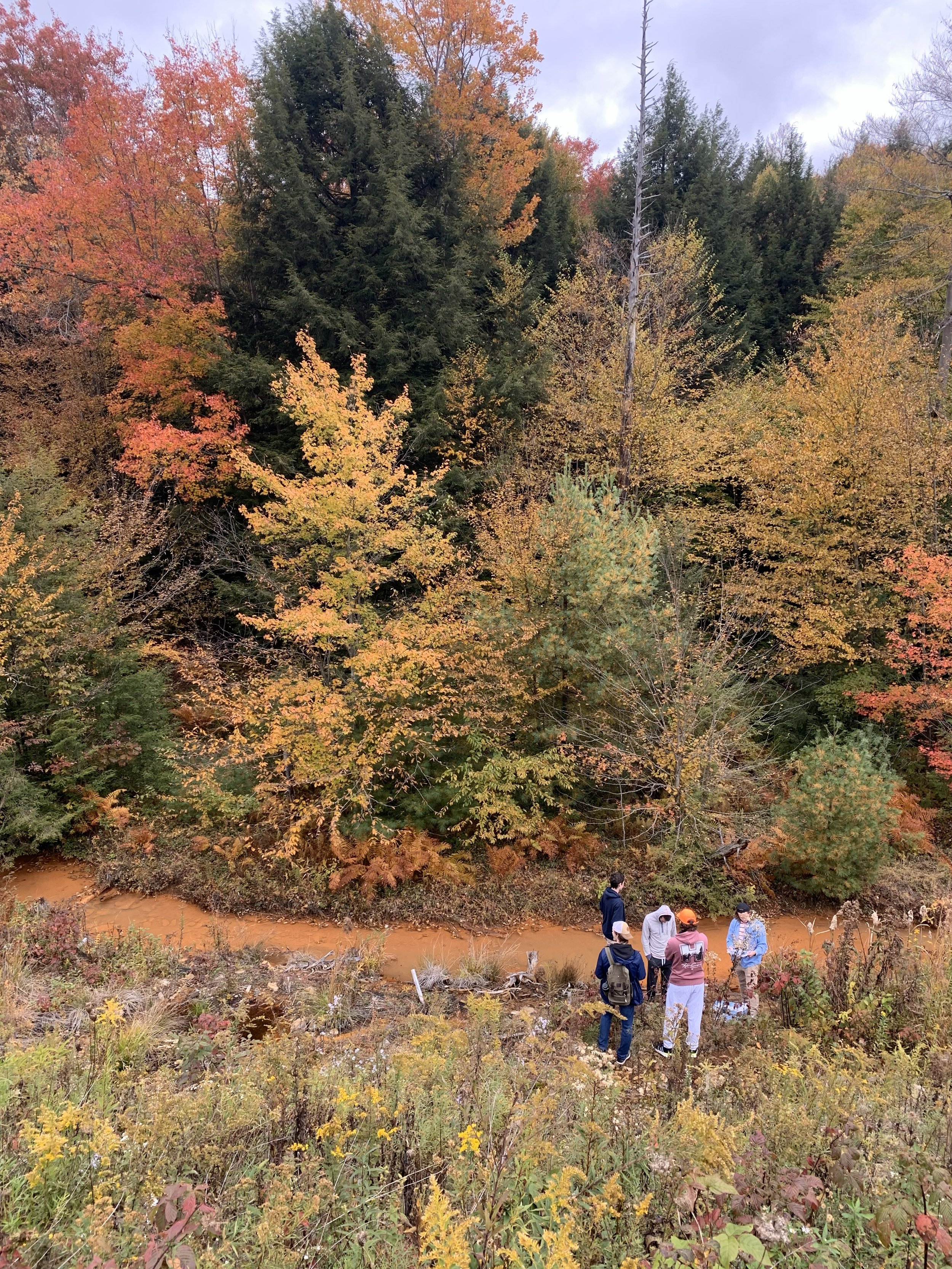
GEOSC 202 students taking water quality measurements from AMD remediation site during Fall 2022 field trip.
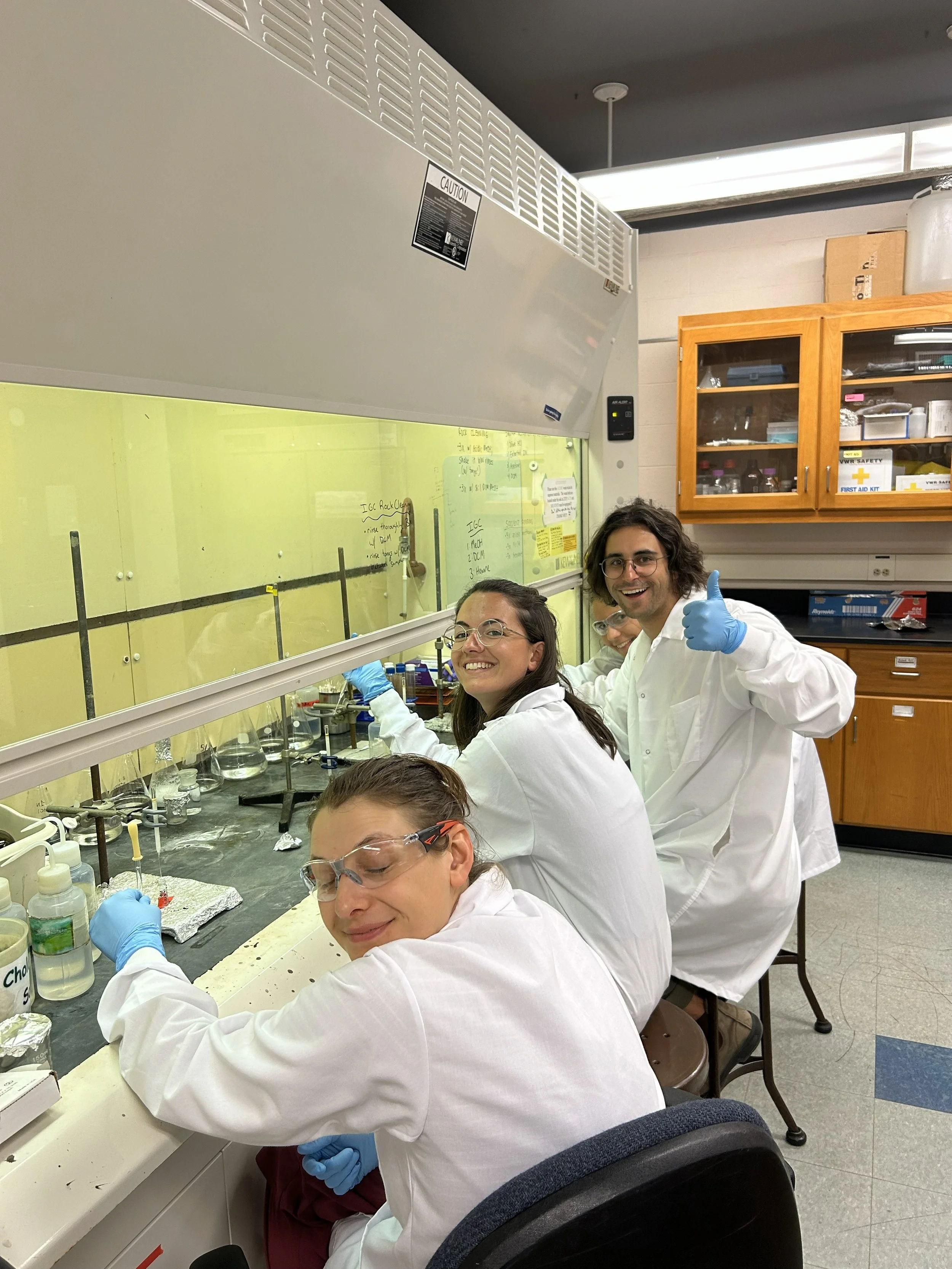
IGC 2023 students performing column chromatographic separations as part of the ‘lipid biomarker’ module in the Penn State Organic Biogeochemistry Lab.
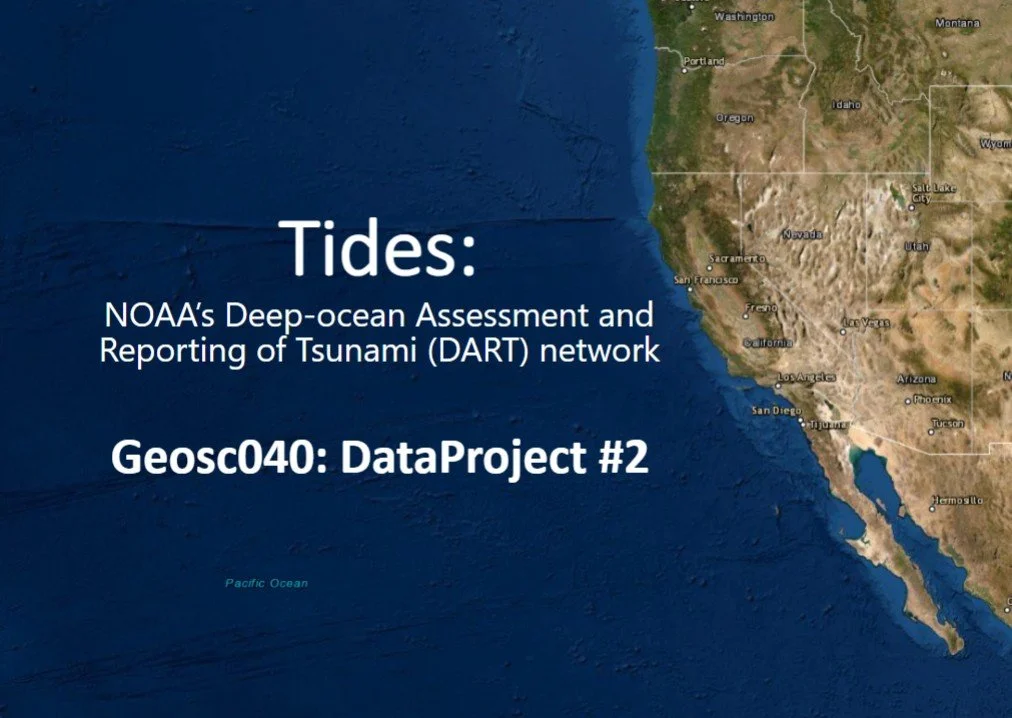
Example of GEOSC 040 data project on tides, requiring incorporation and analysis of NOAA tsunami data.
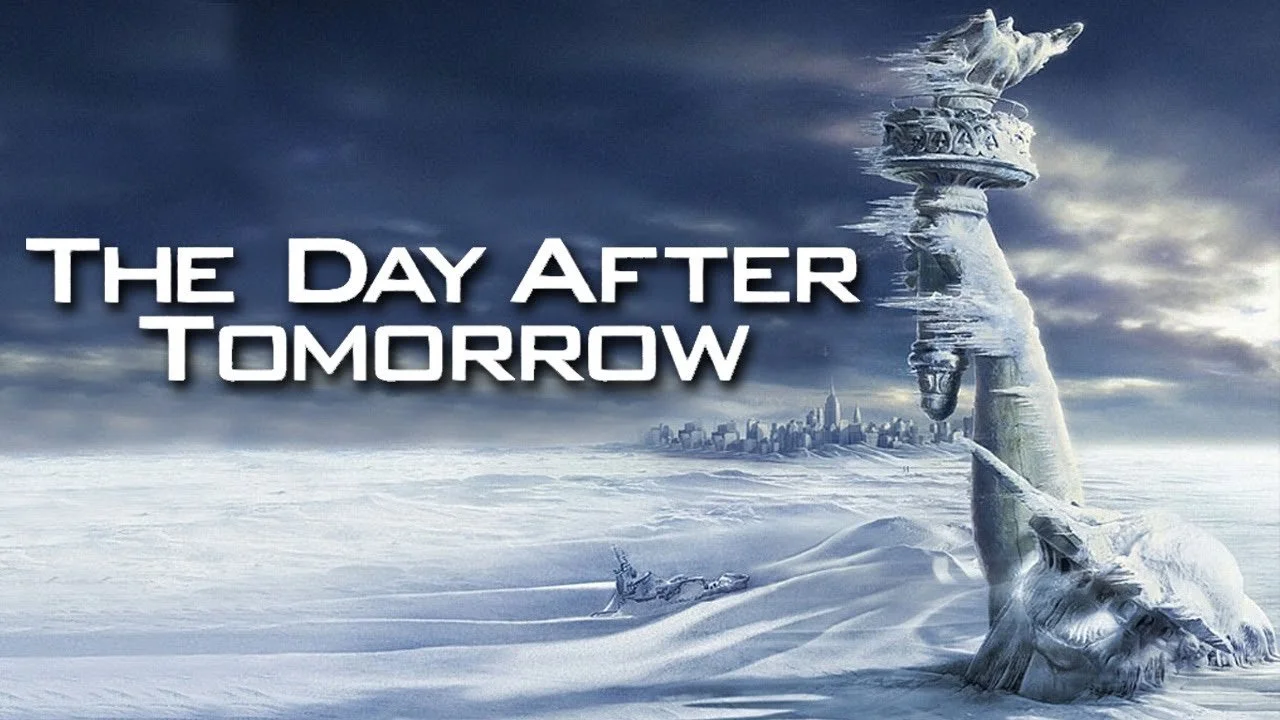
Example of film depicting climate disaster used in GEOSC 402 to frame discussion of the Atlantic Meridional Overturning Current (AMOC) and the potential implications of its shutdown due to global warming.
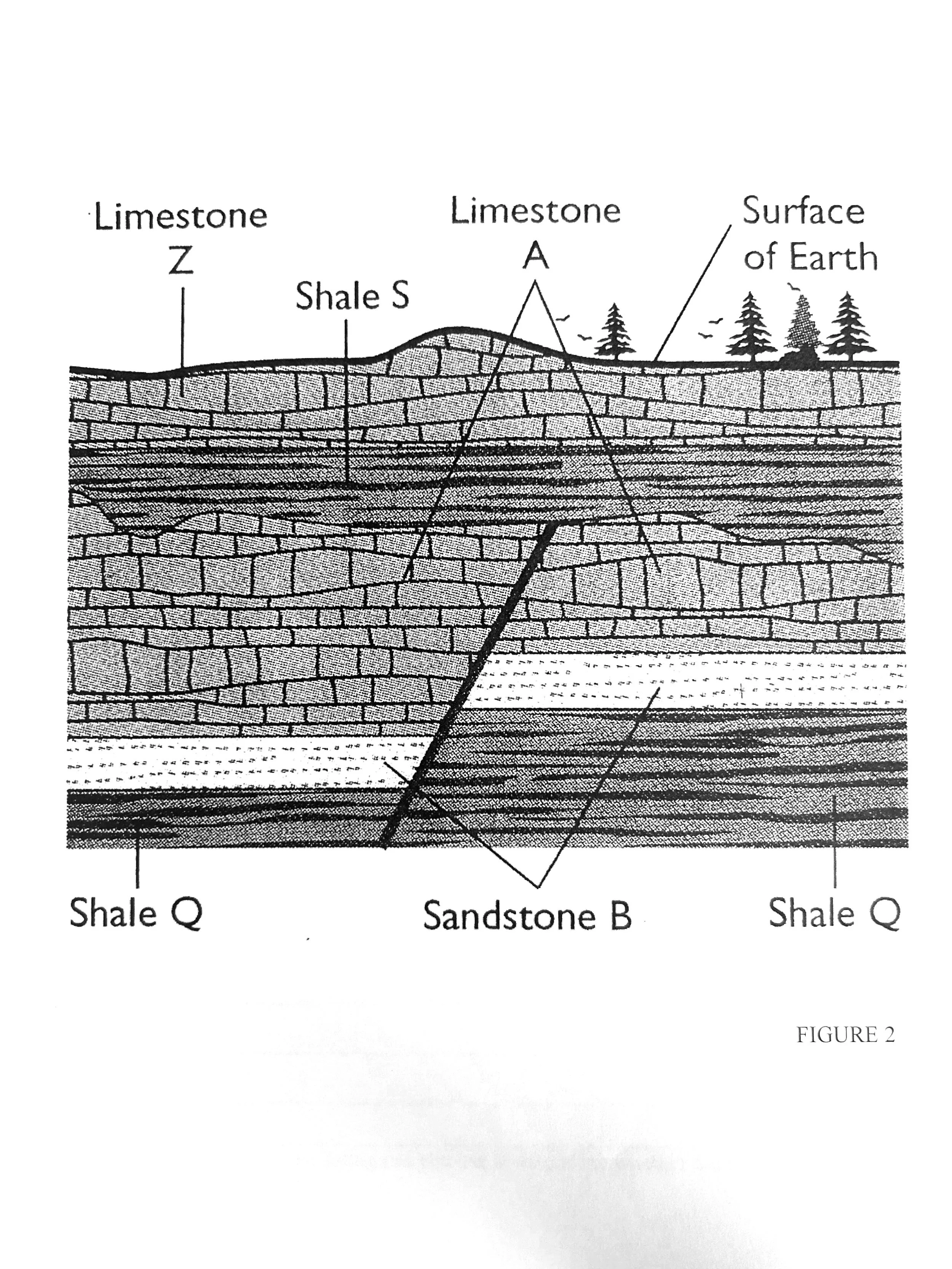
Example of figure used in GEOSC 001 lab to teach students basic principles of stratigraphy and (relative) geologic time.
GEOSC 202: Chemical Processes in Geology
Fall 2022, Spring 2023, Fall 2024, & Spring 2026
While often challenging, this was my favorite lab course I have taught (and continue to teach) at Penn State. This is an upper-level geochemistry lab course for geoscience majors that covers topics including pH, conductivity, alkalinity, dissolved nutrients, acid mine drainage (AMD), weathering, carbonate speciation, and more. Students also participate in 2 lab field trips during the semester to make in-situ water measurements and collect samples for water quality experiments, and to a passive AMD remediation site nearby. As the single TA for this lab course, my responsibilities include organizing and preparing all laboratory and field trip supplies, grading and providing feedback for student lab reports, and directly interfacing with students during lab meetings and office hours to support learning of complicated geochemical topics.
International Geobiology Course (IGC)
Summer 2023, 2024, & 2025
The IGC course is an ‘immersive and interdisciplinary course that explores how microbial life and the Earth have shaped each other’ for Ph.D. students that has been hosted by several universities over the past 2 decades. Penn State inherited the IGC course in 2023 and, following a 2-week field experience in central Italy and incorporating findings from a weekend trip to Green Lake (NY), are instructed by leading scholars in the field, gain hands-on experience using a suite of biogeochemical tools and facilities at Penn State, and present new research based on these findings at the end of each course session. I have been a lecturer for this course since its beginning at Penn State, creating and leading a course module dedicated to lipid biomarker analyses and the instruments used to detect them. My module includes lectures and lab work, the latter of which ranges from traditional wet chemistry sample preparation to learning to pilot and interpret biomarker results from mass spectrometers (GC-MS, HPLC-MS).
GEOSC 040: The Sea Around Us
Spring 2021, 2025
This is an entry-level oceanography course for geoscience students that also fulfills a science credit for non-majors. As such, class sizes are typically large and have exceeded 300 students during each semester of my teaching. As a single course without a lab section, my responsibilities supplemented professorial teaching needs and mainly included interfacing with students during office hours and grading class discussions, data projects, and written assignments.
GEOSC 402: Natural Disasters
Spring 2022
This is an entry level course for geoscience students that also fulfills a science credit for non-majors. This is a popular course for majors and non-majors alike because the discussion of natural disasters are framed around inaccurate depictions in cli-fi and sci-fi movies (e.g., San Andreas, Dante’s Peak, The Day After Tomorrow, etc.), which are always used to introduce a new geological hazard (i.e., module) in the class. Similar to GEOSC 040, class sizes of 300+ students are typical. My teaching experience in this class included interfacing with students during office hours, and grading computational and written assignments.
GEOSC 001: Physical Geology
Fall 2021
This is the first fundamental lab course required for geoscience majors and also fulfills a lab requirement for non-majors. The lab section for this course provides a more in-depth learning opportunity to supplement topics covered during the main lecture, including labs on tectonics, minerals, geologic time, geologic mapping, sedimentary processes and rocks, igneous processes and rocks, mountain building and metamorphic rocks, streams and dams, and groundwater flow. Students also participate in 2 field trips during the semester to describe the stratigraphy of a local Silurian outcrop and to characterize the geologic history of the region. My responsibilities for this course involved organizing and preparing laboratory and field trip supplies, grading and providing feedback for student lab reports, working with students during office hours to support learning of and early enthusiasm for geologic topics, and interfacing with other course teaching assistants to ensure students met all laboratory requirements for the course.
Additional Teaching & Mentoring Experience
Graduate Mentor for Senior Thesis Project (Fall 2023-Spring 2024): I instructed on and oversaw lab methods for a senior undergraduate geoscience major at Penn State, supporting the goals of the research project previously defined by the student and their advisor.
Graduate Mentor for REU Student Project (Summer 2022): I worked with the Research Experience for Undergraduates (REU) student to develop a research project, lab methods, and helped guide final research interpretations and write-ups related to paleoclimate and lipid biomarkers, which was later presented via poster at the program end.
Volunteer Educator (Fall 2023-Present): I work as a volunteer with the Penn State and State College Area School District (SCASD) to provide hands-on experiences for local 4th grade classes that supplement learning of geologic topics in class. I run a stream table module to help illustrate concepts related to sedimentary processes.
General Teaching Interests
Chemistry (general, organic, and inorganic)
Modern and ancient climate systems
Field geology
Mass spectrometry (GC-MS, GC-IRMS, HPLC-MS)
Human impacts on the environment
Landscape evolution
Sedimentary processes
Natural disasters (wildfires, flooding, aridification)
Science communication
Wet chemistry (laboratory skills)
Lipid biomarker analyses
Isotopic analyses